
Why Your Dog Pulls on the Leash, and What Actually Fixes It
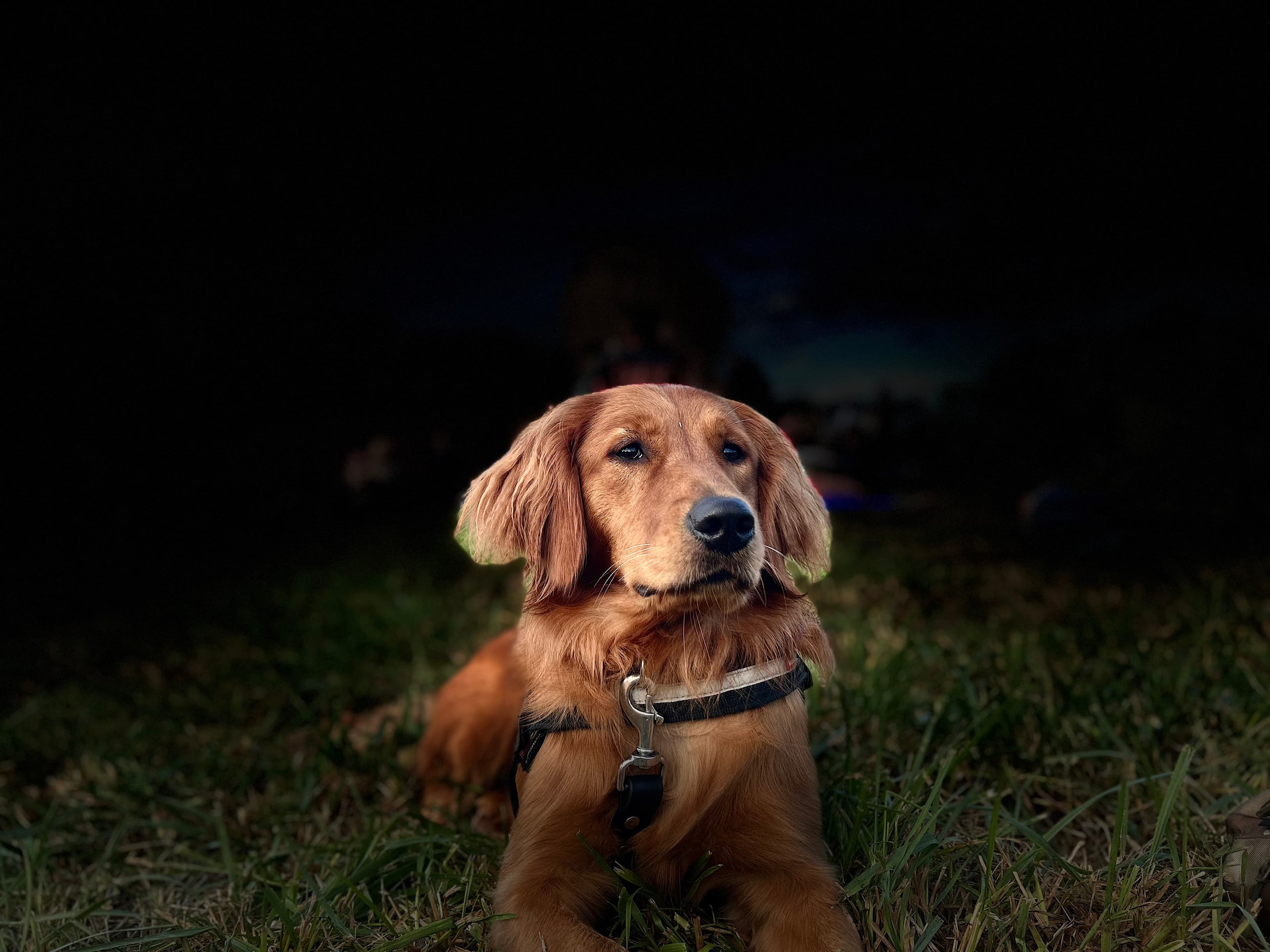
Almost everyone who contacts us about walking describes the same scene. The dog is out front, the leash is tight, the handler is braced, and neither of them is enjoying it.
The habit makes sense from the dog’s side
Dogs walk faster than we do and they want to get to the interesting thing. Pulling produces forward movement, and forward movement is the reward. Do that twice a day for a year and you have built a very well-practiced behavior.
Nothing about that is stubbornness or dominance. It is just what got reinforced.
Why gear alone does not solve it
A new collar or harness can change the physics of a walk immediately, and sometimes that relief is what makes training possible at all. But equipment manages the symptom. If the dog has never been taught what a loose leash feels like and what it earns them, the pulling returns the moment the gear changes.
We fit and introduce whatever suits the individual dog, which might be a flat collar, a prong collar or an e-collar, always introduced carefully and used responsibly. The tool is chosen for the dog, never applied as a default.
What the training looks like
Start somewhere boring. A quiet hallway or an empty yard is ideal, because you cannot teach position while your dog is overwhelmed. Reward the spot you want them in, generously and often, until staying there is the obvious choice.
Then add difficulty in small steps: the driveway, the quiet end of the street, a distance from another dog that your dog can handle. Each step should be just hard enough to be interesting and easy enough to succeed. The walk you want is built from a hundred of those small wins.