
What Positive Reinforcement Actually Means
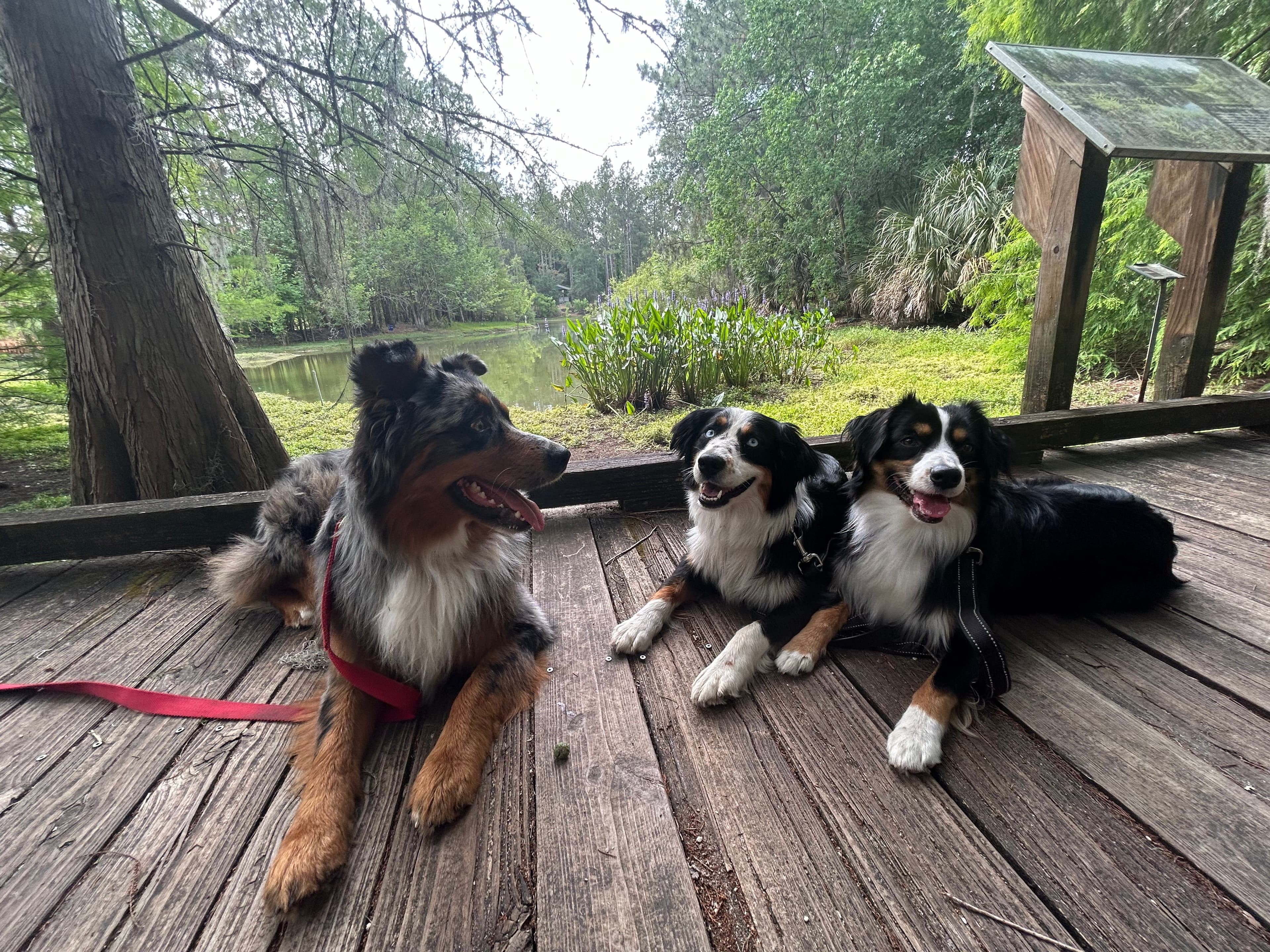
Positive reinforcement has become a marketing phrase, which is a shame, because underneath it is a simple and useful mechanic: behavior that gets something good happens more often.
Reinforcement is defined by the dog
Something is only a reinforcer if it actually increases the behavior. Praise works beautifully for some dogs and means almost nothing to others. A tennis ball can outrank steak for one dog and be ignored by the next. We use treats, praise and play, and which of those leads depends entirely on the dog in front of us.
This is why watching matters more than following a script. If the behavior is not increasing, whatever you are handing out is not a reinforcer, no matter how good you think it is.
Timing does most of the work
A reward a second late can mark the wrong thing entirely. If you praise as your dog is getting up from the sit, you have rewarded getting up. This is what a clicker is for: it marks the exact instant the behavior happened, so the treat arriving a moment later is unambiguous.
Bribery is a different thing
A bribe comes out before the behavior, to persuade. A reinforcer arrives after, as payment. If your dog only sits when they can see the food in your hand, the food has become part of the cue rather than the consequence. Fixing it means getting the food off your body and paying from a pocket or a pouch after the fact.
Why it is worth the discipline
Training this way is effective, and it builds a strong bond between the owner and the dog. A dog who has learned that offering behavior is safe and worthwhile will keep trying things when they are unsure, which is exactly the dog you want when something unexpected happens.