
Scent Work: The Easiest Way to Tire Out a Smart Dog
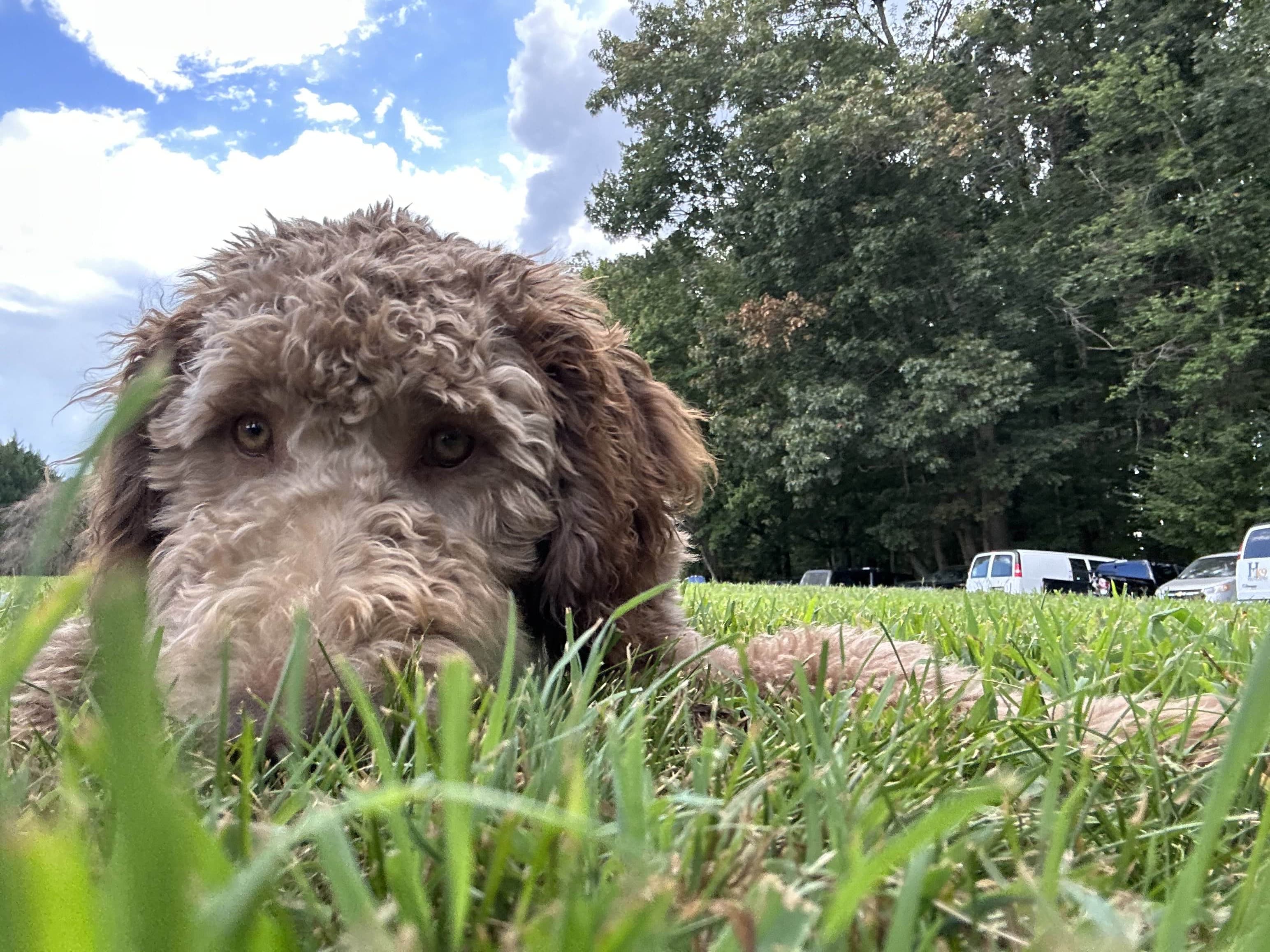
There is a particular kind of dog who gets walked twice a day, runs at the park, and is still restless by evening. Adding more exercise usually produces a fitter dog with the same problem.
Sniffing is work
Dogs experience the world primarily through their nose, and searching is genuinely demanding for them. Fifteen minutes of focused scent work will settle many dogs more thoroughly than an hour of walking, because it uses the part of them that the walk left idle.
Starting at home tonight
Take a handful of treats and scatter them in the grass, then let your dog find them. That is it. Most dogs take to it immediately, and the searching itself is the reward.
From there you can hide a favorite toy in one of three boxes, then in a room, then somewhere they need to work for it. Formal scent work builds the same way: a simple find, then harder hides, larger areas, more distraction, and the handler skills to read your dog and trust what they are telling you.
It suits nervous dogs especially well
Searching is self-directed and low pressure. The dog sets the pace, nothing is being asked of them socially, and they cannot really get it wrong. For anxious or reactive dogs that combination is rare, and the confidence it builds tends to show up elsewhere in their life.
No experience needed
Scent work is one of the few activities where a dog with no training and a dog with years of it can both start on day one. If your dog is clever and bored, start here.